
“ . . . the United States may be turning itself into an island of barbarism amidst the larger world.” – Paul Krugman
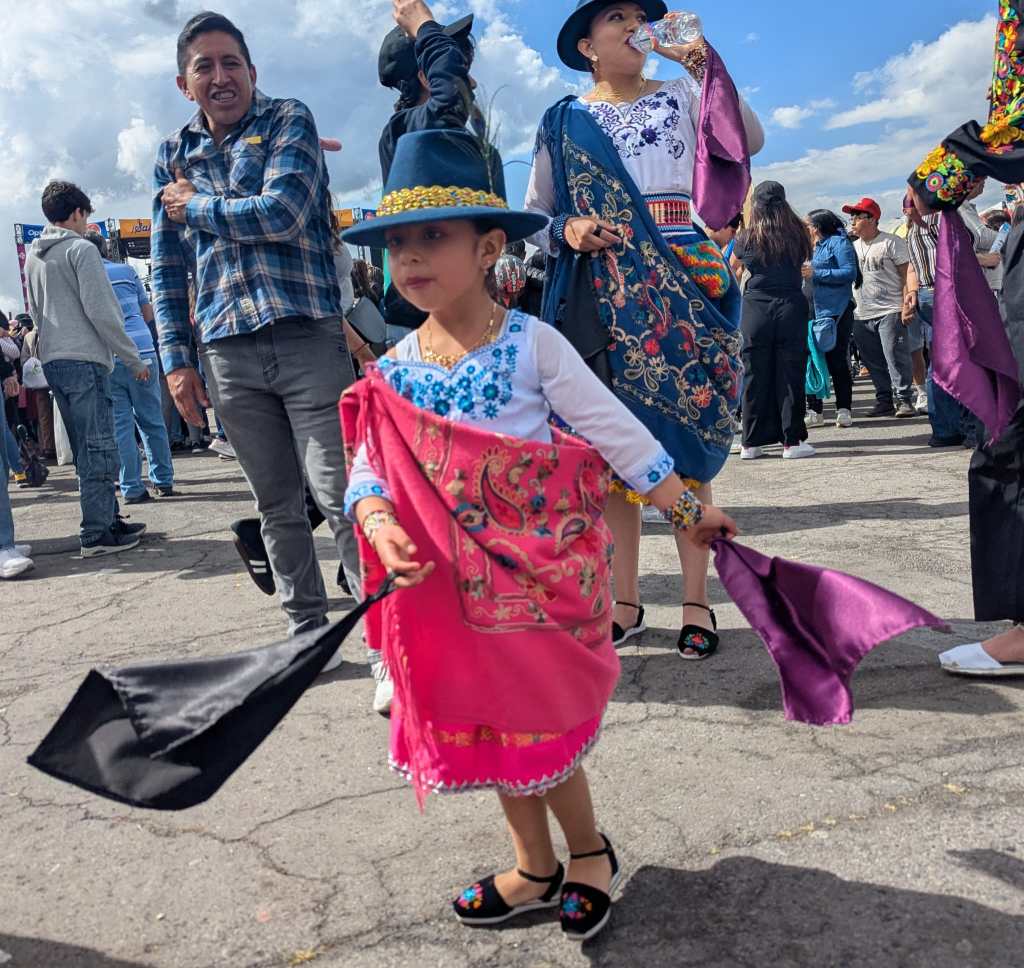
From day to day I don’t know what would feel harder psychologically: being here in Quito as a new and unassimilated immigrant, or still being in my hometown of Minneapolis, in the state of Minnesota, in the United States, in 2025.
We miss our family and friends, and our friends who have become family. I miss the ease with which I hopped in my little Fiat 500e and went wherever: up to the corner for a corporate Caribou coffee; to the grocery store for a baking ingredient; to Bonnie’s for a conversation about everything and nothing. I miss knowing DeAnn and Lanny are around the corner, that Beth and Todd and Bernard and Jodie are up the parkway (that lovely, forward-thinking parkway), that Charlie’s friends from kindergarten are still rooted nearby.
I miss my house and all the physical things that helped me remember who I thought I was: the Ikea Stocksund sofas with the red velvet polyester covers I ordered from Romania; the books I had winnowed down to only those I thought I might read again; the framed photo of Tom Lehrer autographed to Charlie and sent with a sweet note; the Venetian carnival mask my mom dragged across Europe and home to Phoenix; the life mask of Beethoven that went on the same journey.
What I don’t miss is the sense of living on the edge of doom as we watch America crumble in real time. Even Minneapolis, an oasis in so many ways, seems to be an epicenter of misery.
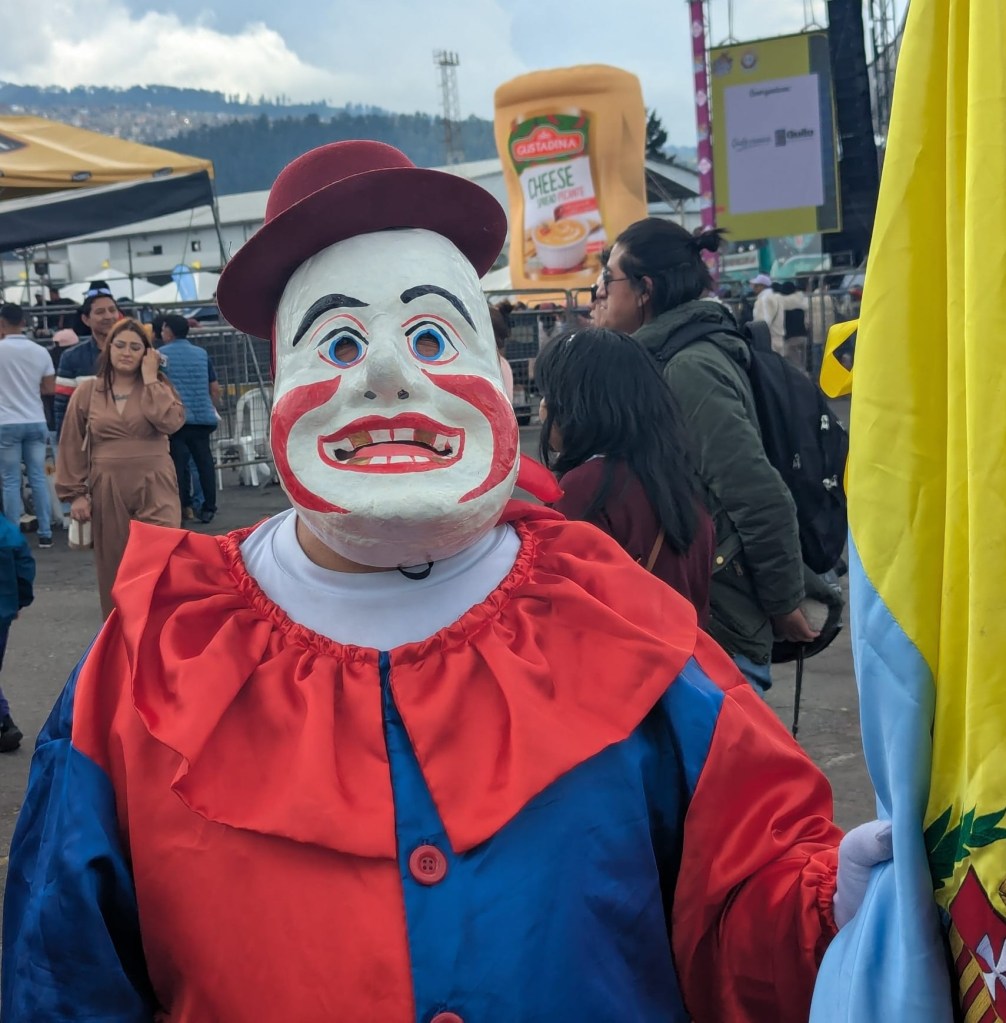
When we heard the news about the gun assassinations of Melissa Hortman and her husband in June, I felt a pull to be back there so we could rend our garments alongside our neighbors. When the little kids were murdered in the Annunciation shooting in late August, I was agonized and, much to my despair, completely unsurprised.
It’s true that we can’t afford to live in the U.S. on the money we receive each month (we’re saving our savings for when we’re really old). But even if we had the resources to live there, we probably would not have chosen to stay. Even though our son lives there.
Yes, there are murders and other crimes in Ecuador. In some places there are astounding levels of both. Organized crime is a big presence, but less visible (to us at least) than the police and private armed guards on nearly every threshold.
Perspectives vary on the current government in Ecuador. Many people are wistful for the Correa days of big government spending for the common good; others think this country’s present (and American-educated) leader – who is consolidating and cutting government spending, eroding civil liberties, and cozying up with the U.S. – is exactly what Ecuador needs.
I should be ashamed to admit it, but there is a certain relief in not speaking the language well enough to understand the fine points of politics here.
There is also relief in not feeling frightened of being shot.
On the upside, we are going to the city of Latacunga later this month for the festival of Mama Negra. We’ve heard it described as something like Mardi Gras, which worries me. But it’s also “a symbiosis of indigenous, Spanish, and African cultures in which its inhabitants pay homage to the Virgin of Las Mercedes as a demonstration of gratitude for the favors granted.” This stuff fascinates me.
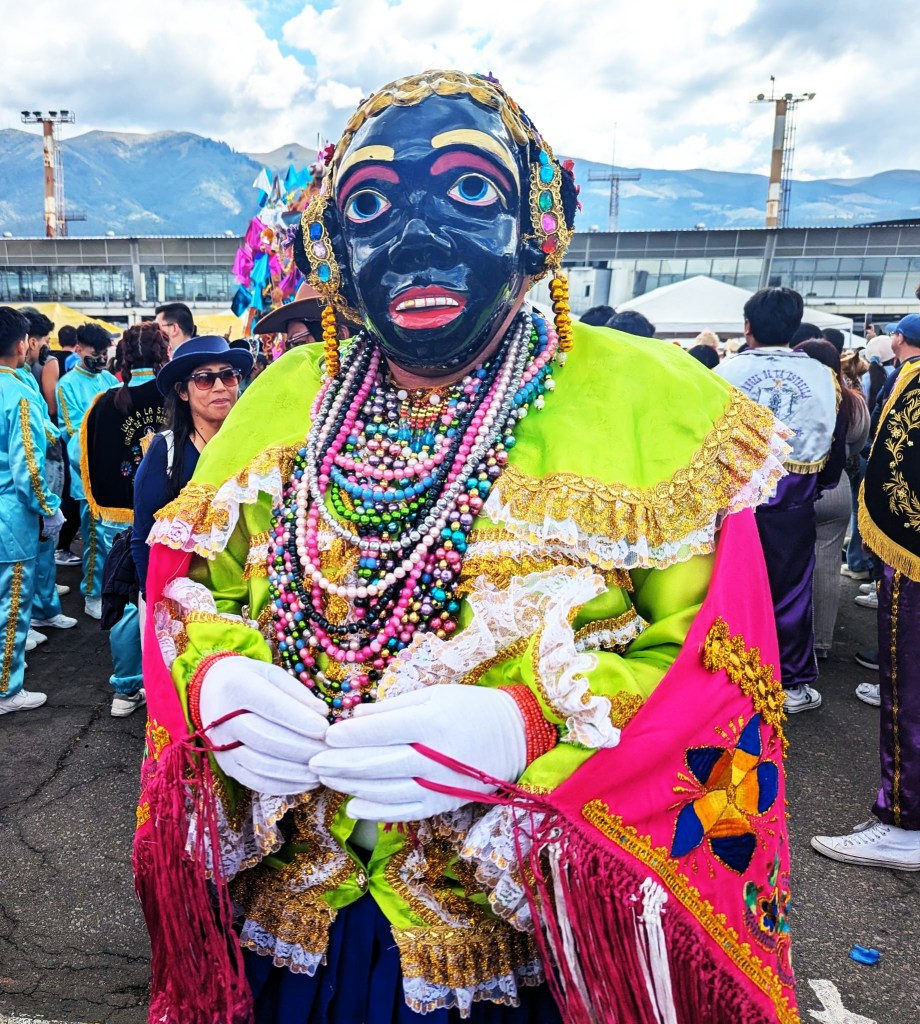
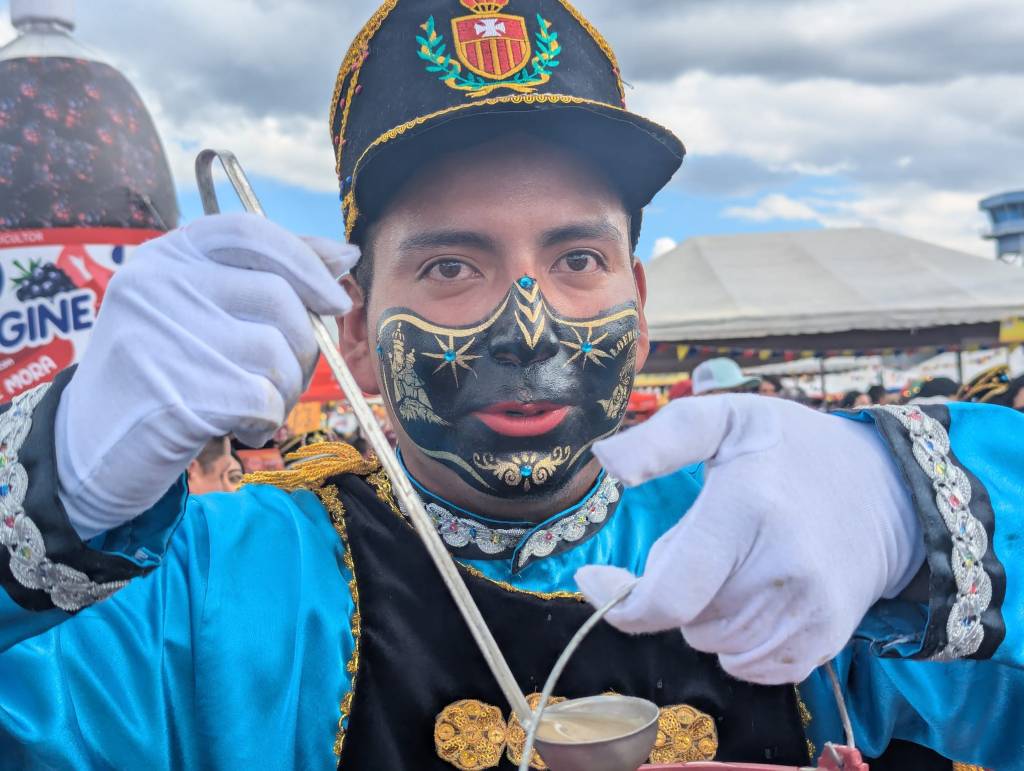
Mama Negra is such an important cultural figure that she is always played by, well, by a white man, a civic leader who wears blackface (or a mask, above). It reminds me a little of the Saint Paul Winter Carnival, although its provenance (or parts thereof) dates back well before 1886.
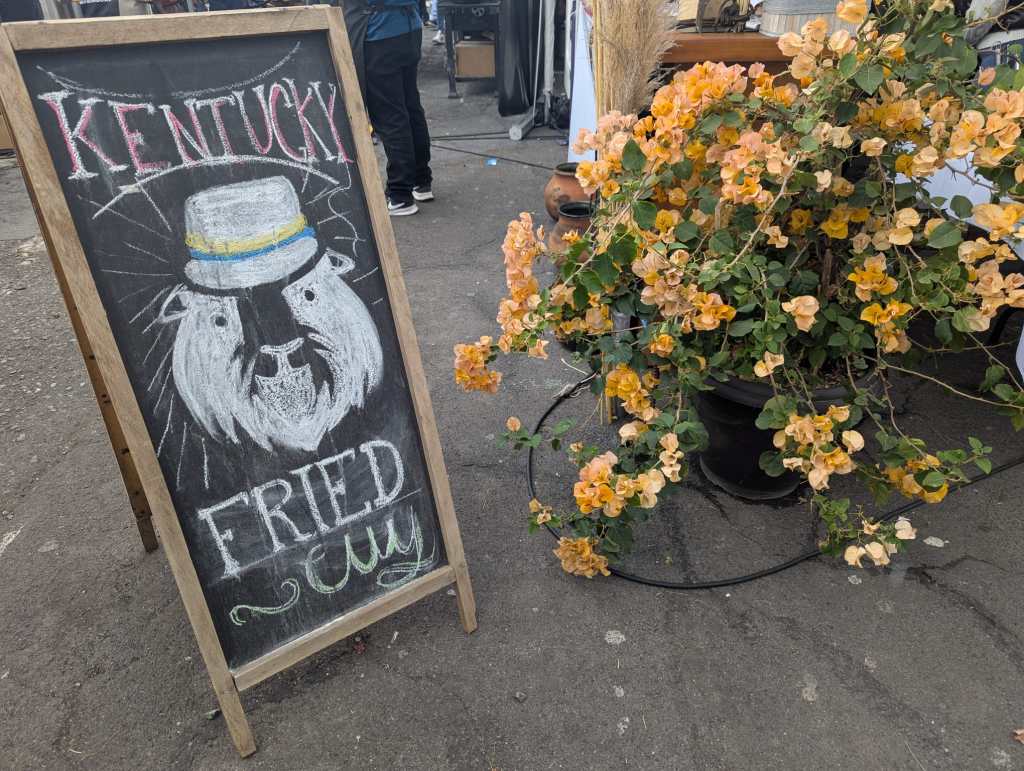
We got a preview of Mama Negra’s look and characters last month at Hueca Fest here in Quito, which had the culinary sensibilities of the Minnesota State Fair and featured dozens of food booths including KFC, or Kentucky Fried Cuy — guinea pig, a delicacy from Cuenca.
We saw a Mama Negra parade; I turned down the offer of some kind of beverage offered to me from a ladle and dished out by a guy in a soldier uniform. I’m still not sure what that was about. Our Spanish teacher, who was born in Latacunga, tells us that one of the keys to the Mama Negra festival is to get drunk and stay that way.
We’ll let you know how that turns out.


 Report from Quito
Leave a reply to dreamilyb2d116d188 Cancel reply