
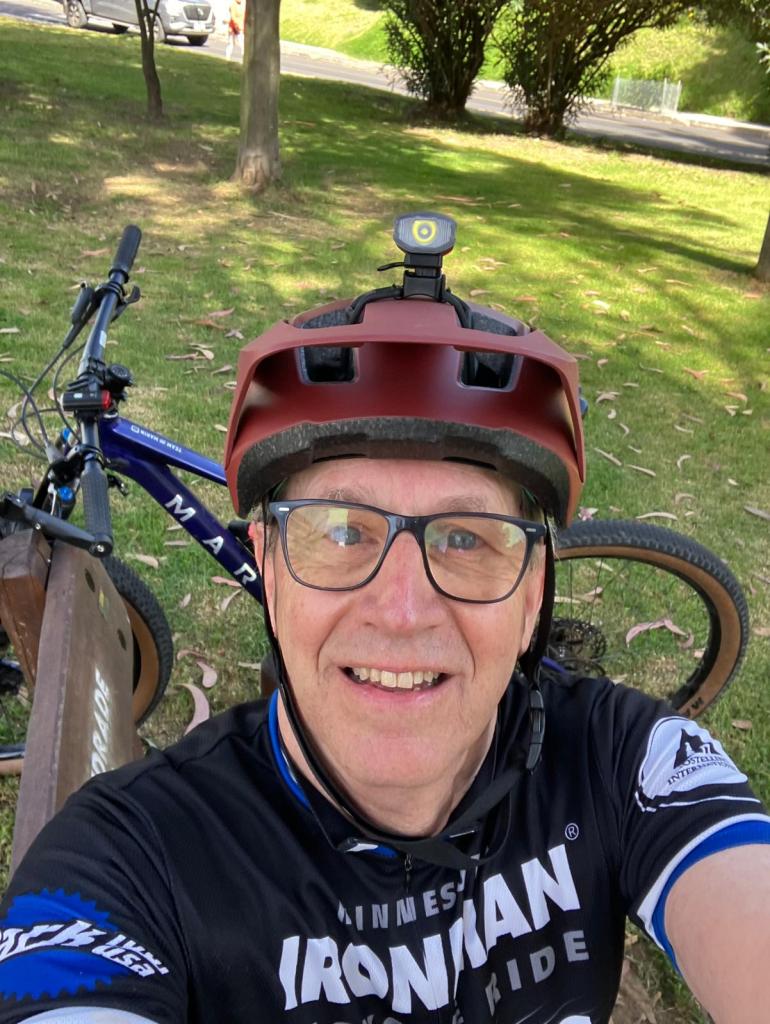
I’ve only lived in Quito, Ecuador for the past year. Perfect year-around springlike weather – daily temperatures between 48 and 72 degrees Fahrenheit – makes the city a wonderful place for moving around outdoors. The 9,300 foot elevation and resulting high levels of UV rays make for minor challenges, but at least the UV can be mitigated using sunblock and proper clothes. We’ve lived here long enough that we don’t notice the effects of elevation very often.
As Quito grew enormously from the 1980s to the present, the opportunity to maximize mobility in the form of walking and bicycling was completely missed. In all city sectors most streets were constructed without bicycle lanes, and streets were built straight up steep hills without switch backs. Sidewalks were afterthoughts; they contain so many obstacles per meter that pedestrians must always be watching their feet or they’ll come to grief tripping on sawn off pipes or falling into uncovered utility boxes.
Quito grew like cities worldwide, think Los Angeles or Bangkok, that force residents to take public transport like buses or taxis or buy private vehicles. Trains are unfortunately not found in Ecuador, though an excellent one-line subway did open in Quito in 2023.
Buses are plentiful, costing $.35 a ride, but most spew polluting diesel fumes. A bright spot here is that from 2020 forward, all new buses must be electric (I see them frequently); by 2040 the goal is to have a city bus fleet that is 100 percent electric! I’ve also read that Quito is acquiring electric trolleys. Overhead cable cars were offered as a solution at one point, but they were never funded
This brings my thoughts back to bicycling. I’ve spoken to many Quito bicycle enthusiasts and potential bicycle commuters who have reached the same conclusion I have: we only bicycle on certain streets in certain areas on certain days. Most of the bicyclists have mentioned they are afraid for their lives riding in the streets of Quito, not so much because drivers are trying to hit them, but because streets are so congested the chance of being struck by cars and trucks is high. It seems almost every bicyclist knows of someone who has been killed or injured here by automobiles.
Avenida Occidental is a speedy highway traversing the mountain a few streets above our apartment. It allows a grand view of Quito below, but it is completely devoid of bicycle access, and even pedestrians must scurry along on intermittent sidewalks in sad repair or often just spots of packed dirt. There are pedestrian overpasses, but stairway access only means bicyclists are forced to shoulder carry their steeds. Handicapped access rarely exists, even in front of many hospitals here.
Quito has some intriguing parks, historic and new sectors to explore on foot or by bicycle, but there are serious limitations, such as how to reach them by bicycle. Most of these limitations are caused by streets jammed with cars and a woefully incomplete bicycle route infrastructure. Quito’s support for bicycle routes is unlikely to improve because public funds for these projects are not prioritized.
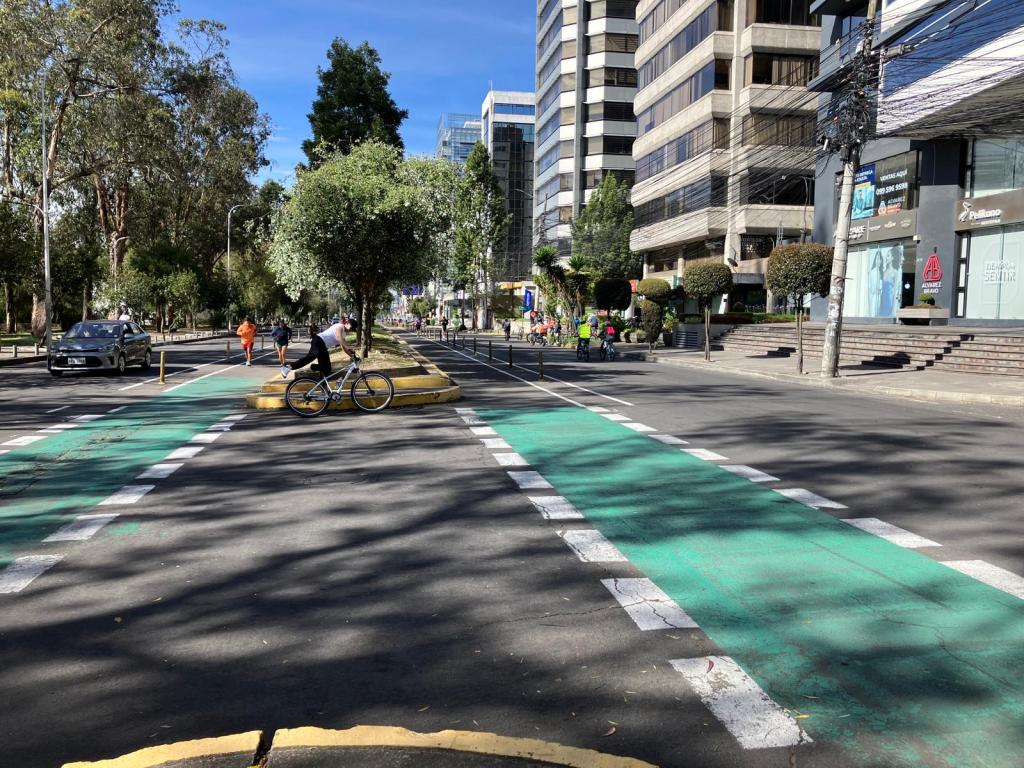
I am able to bicycle from precipitous Quito Tenis down to the bicycle lane of Avenida Amazonas any day of the week. But although Avenidas Amazonas is a bicycle haven with clearly marked bicycle lanes, it doesn’t connect effectively to most parts of Quito.
For example, I’m not aware of any safe, practical bicycle connection from central Quito over the hills to Cumbaya, Tumbaco or Puembo. I do see some rare bicyclists taking the Ruta Viva highway, mostly early on weekend mornings, but it looks risky due to fast moving motor traffic.
No city is perfect for everyone. I can speak volumes about what I do love about Quito and its smart, industrious and friendly people. I am easily making the best of living in a city that doesn’t particularly adore bicycles like I do.
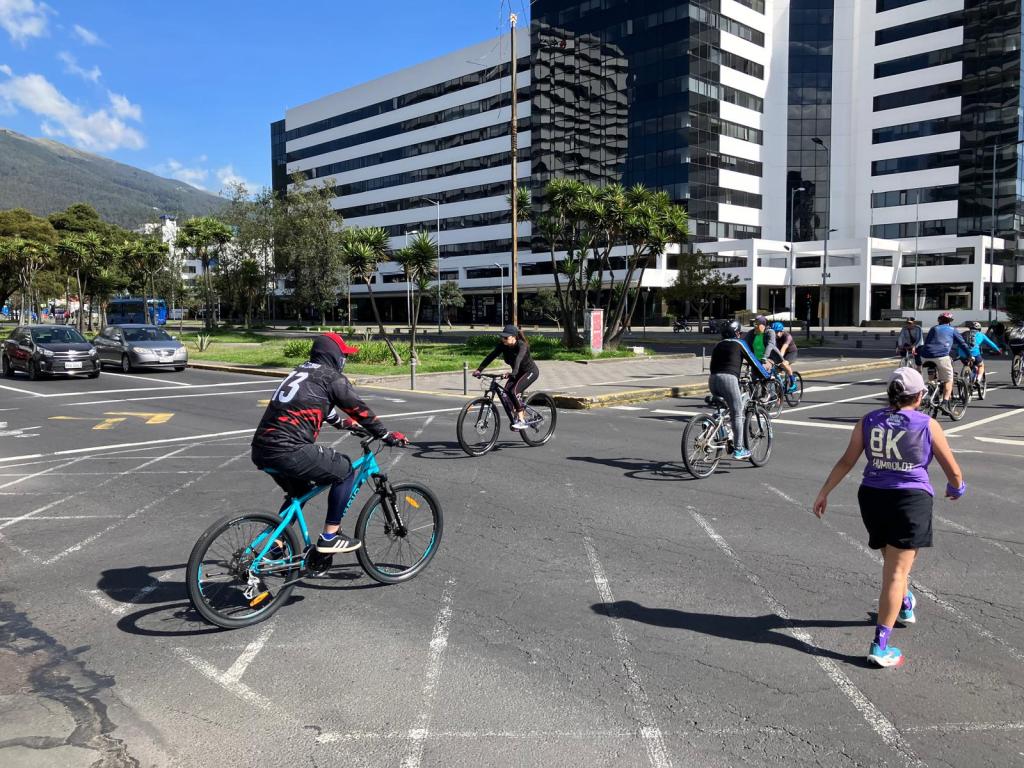
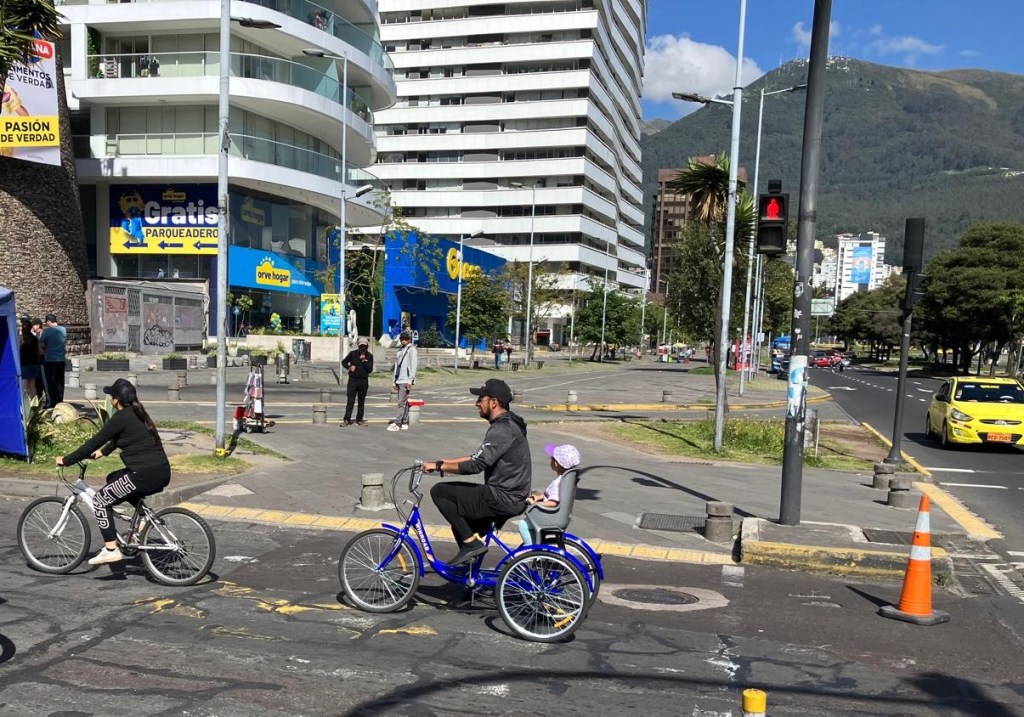
We don’t own a car. We use Ubers and taxis and walk to destinations as often as possible. Every Sunday I take advantage of the wonderful Ciclovia event where certain city streets are closed off to motorized traffic between 8 a.m. and 2 p.m. It allows me and thousands of other Quiteños to fleetingly pretend we’re living in a city where human-powered transportation rules.

 Report from Quito
Leave a reply to ninjatotallyf1a308daf1 Cancel reply